7 Causes of Female Hair Loss and When to See a Dermatologist
What Can Cause Hair Loss in Women?
1. Hormonal Changes
One of the most frequent triggers of women’s hair loss is a shift in hormone levels. Hormonal imbalances related to pregnancy, childbirth, menopause, or thyroid disorders can disrupt the natural hair growth cycle, causing increased shedding or thinning. For example, postpartum hair loss is common due to a drop in estrogen after childbirth, while menopause brings declining estrogen and progesterone that may thin hair.
2. Genetics and Family History
Androgenetic alopecia, often called female pattern hair loss, is largely driven by genetics. If your mother or close female relatives experienced hair thinning, you might notice gradual thinning over the mid-scalp or crown regions. This type of female hair loss progresses slowly but can significantly affect hair density over time.
3. Stress and Emotional Trauma
Physical or emotional stress can shock hair follicles into a resting phase, causing a shedding condition known as telogen effluvium. This often appears several weeks or months after high-stress events like surgery, illness, or emotional upheaval. Women experiencing chronic stress may find their hair looks noticeably thinner and less voluminous.
4. Nutritional Deficiencies
Hair is a reflection of overall health. Deficiencies in essential nutrients such as iron, vitamin D, zinc, and biotin can lead to weaker hair shafts and excessive shedding. Unbalanced diets, recent dieting, or medical conditions that impair nutrient absorption make women more prone to female hair loss.
5. Medical Conditions and Medications
Certain medical conditions, including autoimmune diseases like alopecia areata, polycystic ovary syndrome (PCOS), and scalp infections, can cause hair loss. Additionally, medications such as blood thinners, antidepressants, or chemotherapy drugs may induce temporary or permanent hair thinning.
6. Hairstyling Practices
Repeated use of heat styling tools, tight hairstyles (like ponytails or braids), and harsh chemical treatments can physically damage hair follicles and cause traction alopecia. This form of female hair loss usually appears along the hairline or in areas under tension.
7. Scalp Health
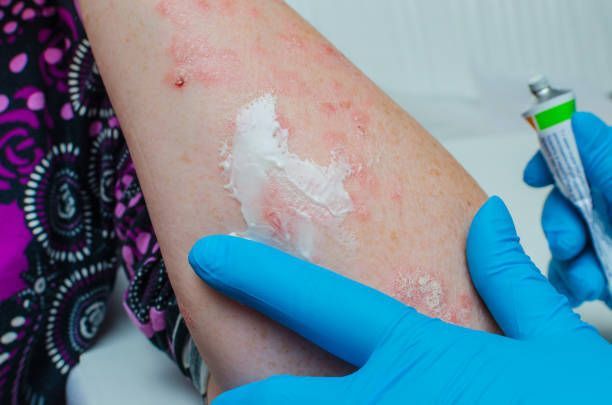
An unhealthy scalp environment, characterized by dandruff, buildup, or inflammation, can impair hair growth. Conditions like seborrheic dermatitis or psoriasis might exacerbate women's hair loss by irritating follicles and increasing hair shedding.
Early Signs of Women’s Hair Loss to Watch For
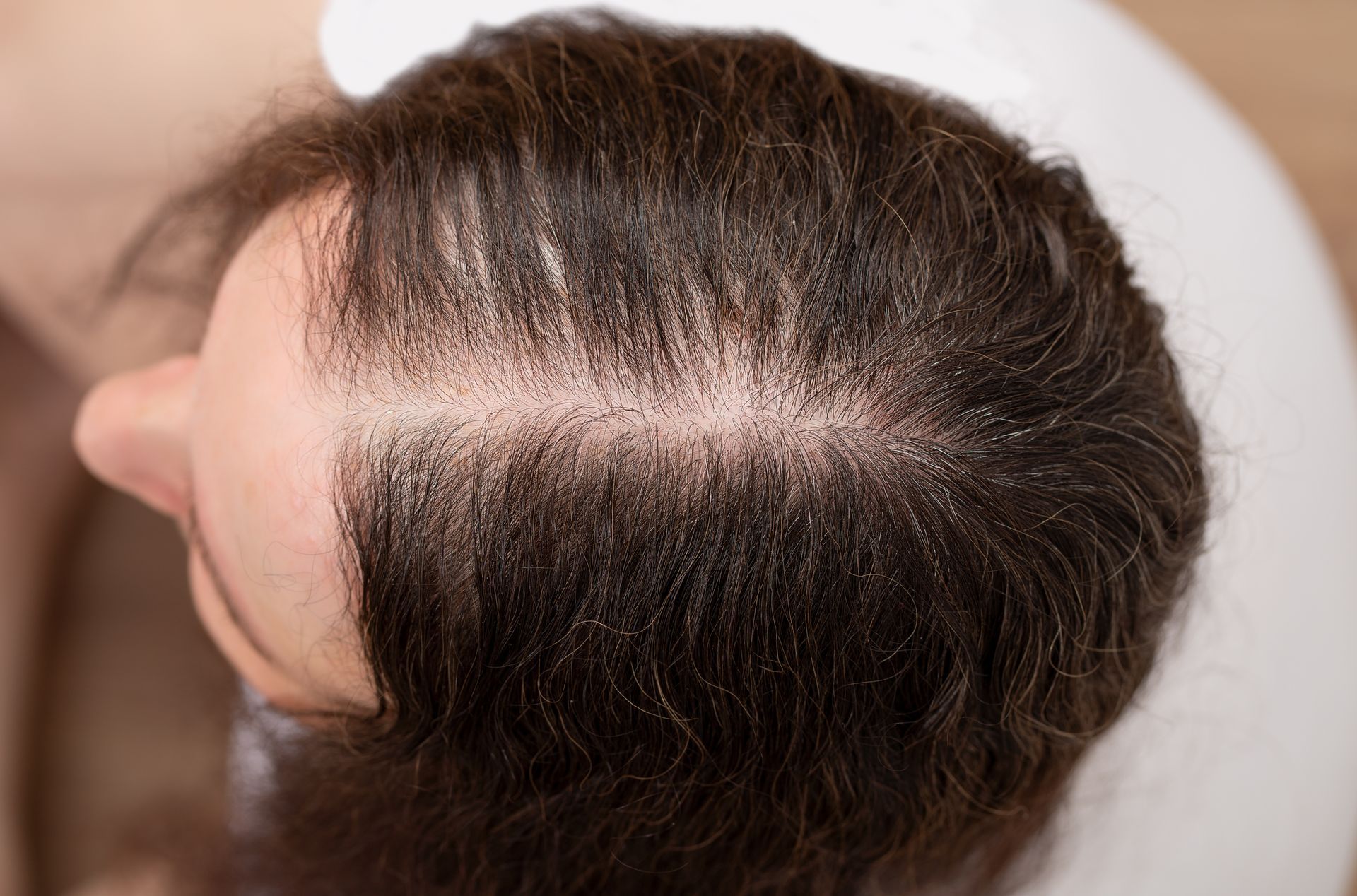
- Visible scalp through thinning hair at the part line or crown.
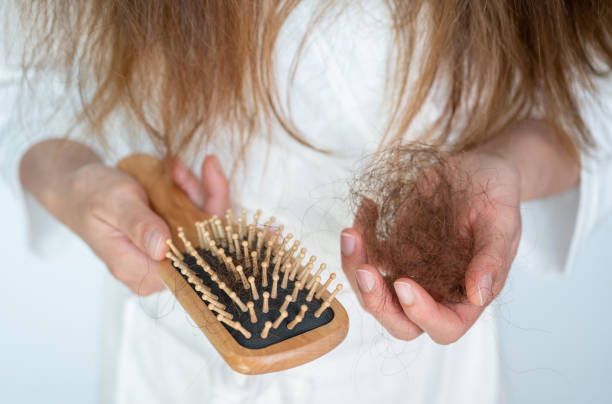
- Excessive hair shedding during washing or brushing.
- Smaller ponytail circumference or overall reduced volume.
- Appearance of miniaturized (finer, shorter) hairs in previously dense areas.
- Patchy bald spots or irritated scalp.
When to See a Dermatologist for Female Hair Loss
- Hair shedding is increasing or causing significant thinning.
- Hair loss occurs in patches or is accompanied by scalp irritation.
- You experience scalp pain, redness, or flaking alongside hair loss.
- Family history or medical issues suggest underlying causes.
- Over-the-counter treatments and lifestyle changes haven’t helped.
Ready to Address Your Hair Loss?