Dermatitis for Jacksonville, NC: Understanding Eczema, Contact Dermatitis, and Seborrheic Dermatitis
At East Carolina Dermatology & Skin Surgery, we understand how frustrating persistent skin irritation can be. Dermatitis is one of the most common skin complaints in eastern North Carolina, and managing it starts with understanding which type is affecting your skin. Whether you have noticed a red, itchy rash that flares in winter, a sudden reaction after touching a new product, or persistent flaking on your scalp or eyebrows, those symptoms may point to three distinct conditions: atopic dermatitis (eczema), contact dermatitis, or seborrheic dermatitis. Knowing how each type behaves makes it easier to describe your symptoms to a provider and get effective care for dermatitis for Jacksonville, NC. Call (252) 633-4200 to schedule your appointment with our team today.
What Are the Main Types of Dermatitis?
Dermatitis is an umbrella term for several forms of skin inflammation. All three major types cause redness and itching, but they differ in where they appear, what sets them off, and how we identify them. Local climate and lifestyle factors also play a role in which type you may be experiencing.
Atopic Dermatitis (Eczema)
Atopic dermatitis is a chronic condition closely linked to the immune system that tends to run in families with asthma or seasonal allergies. In Jacksonville, NC, humid summers and variable fall temperatures can be hard on sensitive skin, and outdoor activities common among military families at Camp Lejeune may increase exposure to sweat and irritants that trigger flares.
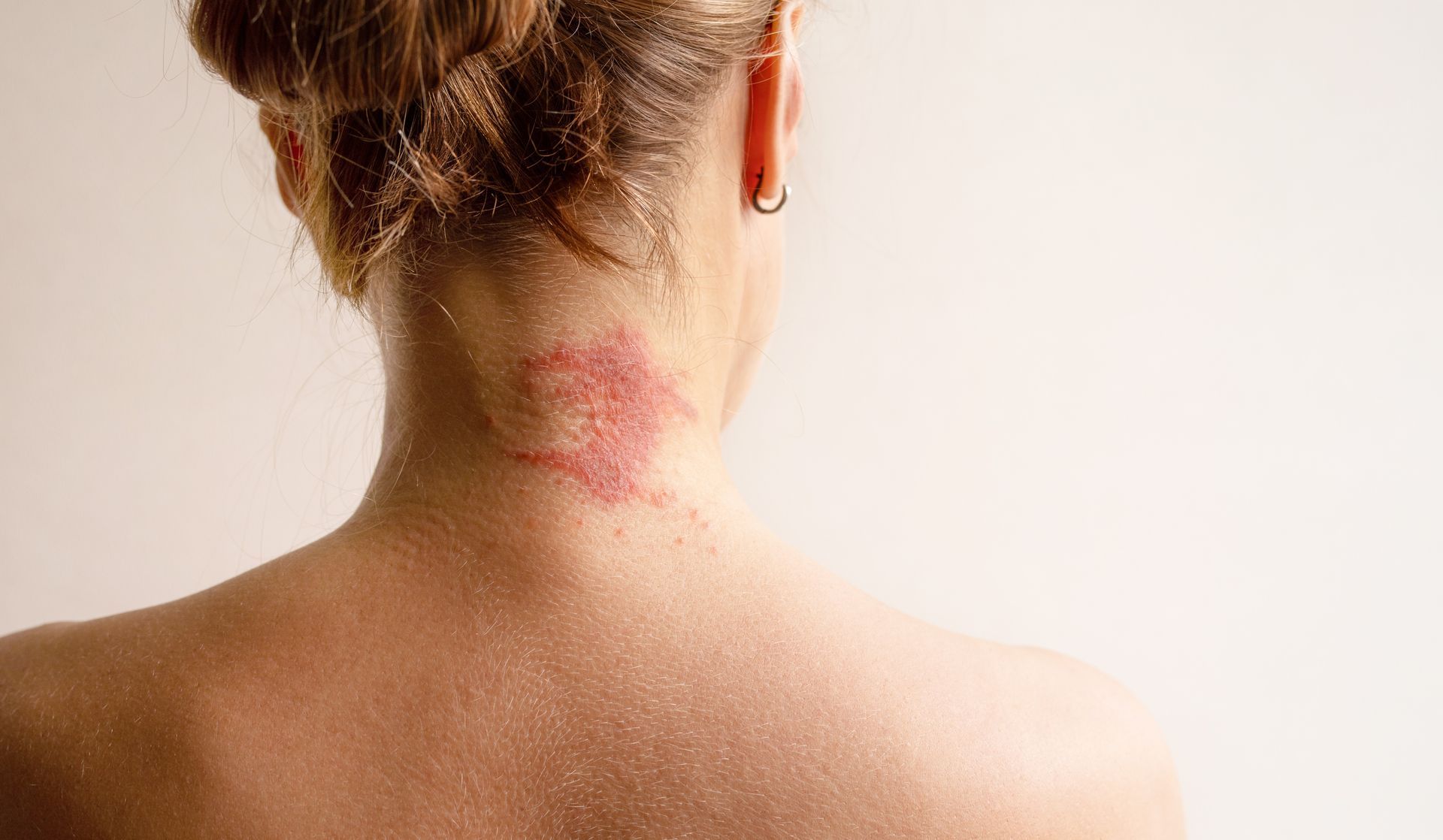
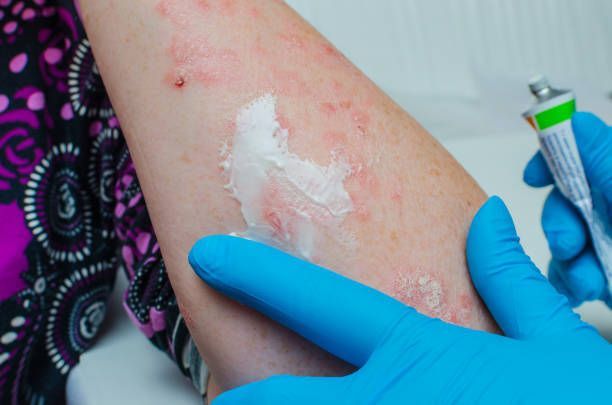
Eczema often appears in skin folds such as the inner elbows, backs of knees, and neck. In young children, it can show up on the cheeks and scalp. Affected skin may look dry, cracked, and thickened from repeated scratching. Common triggers include the following:
▸Sweat and heat.
▸Rough fabrics.
▸Scented soaps or detergents.
▸Stress.
▸Dry winter air.
We may diagnose atopic dermatitis by reviewing your personal and family allergy history, examining the distribution of your rash, and sometimes ordering patch tests to rule out other causes.
Contact Dermatitis
Contact dermatitis occurs when the skin reacts to something it has touched. Irritant contact dermatitis happens when a substance directly damages the skin, such as through repeated hand washing or exposure to cleaning products. Allergic contact dermatitis is a delayed immune reaction to a specific allergen, often developing 24 to 72 hours after exposure.
In the Jacksonville, NC, area, some of the most common culprits we see include the following:
▸Poison ivy and poison oak.
▸Nickel in jewelry and belt buckles.
▸Fragrances in personal care products.
▸Preservatives in sunscreens.
▸Industrial chemicals for those working in trades or manufacturing.
Contact dermatitis typically appears where the offending substance touched the skin, which is a key clue we use to distinguish it from other types. Patch testing, where small amounts of common allergens are placed on the back for two to three days, can often pinpoint the exact cause. Patients seeking relief from contact dermatitis for Jacksonville, NC, benefit from this targeted diagnostic approach.
Seborrheic Dermatitis
Seborrheic dermatitis affects areas rich in oil glands. It commonly appears on the scalp as dandruff but can also affect the eyebrows, sides of the nose, ears, and chest. Unlike eczema, it is associated with an overgrowth of a naturally occurring yeast called Malassezia, which thrives in oily environments.
This condition tends to be cyclical rather than triggered by external allergens. Telltale signs we look for include the following:
▸Greasy, yellowish scales on the scalp or face.
▸Redness along the hairline or behind the ears.
▸Mild to moderate itching without the intense burning associated with eczema.
Stress, fatigue, cold weather, and certain medical conditions may cause flares. In eastern NC's humid climate, heat and oily skin can make seborrheic dermatitis particularly stubborn during warmer months.
Frequently Asked Questions
1. How Do We Tell These Conditions Apart?
We use rash location, skin appearance, personal health history, and patch test results to make an accurate diagnosis. Eczema tends to be widespread, recurring, and tied to family history. Contact dermatitis often appears in a pattern matching the point of exposure. Seborrheic dermatitis concentrates in oily, hair-bearing areas with a distinctive greasy scale. Learn more about dermatitis treatment options and how professional care can make a meaningful difference.
2. Can Dermatitis Be Managed Long Term?
Yes. Treating dermatitis for Jacksonville, NC, patients may require a combination of moisturizers, prescription creams, and trigger avoidance for atopic dermatitis. Contact dermatitis can frequently be resolved by identifying and eliminating the offending substance. Seborrheic dermatitis often responds well to medicated shampoos and topical treatments, though some people need ongoing maintenance. We work with each patient to develop a personalized approach that fits their lifestyle and skin type.
3. When Should You See a Dermatologist for a Skin Rash?
Consider scheduling an appointment if your rash has not cleared within two weeks, if it is spreading or becoming painful, if it is interfering with sleep or daily activities, or if over the counter options have not provided relief. Children with severe eczema may benefit from early professional evaluation to prevent skin damage from repeated flares.
Take the Next Step With East Carolina Dermatology & Skin Surgery
If you or a family member is dealing with persistent skin irritation in the Jacksonville, NC, area, our team at East Carolina Dermatology & Skin Surgery is here to help. Serving Jacksonville, NC, from our New Bern, NC, office, we offer personalized dermatitis care designed to identify the cause of your symptoms and build a plan that works for you. Call (252) 633-4200 to schedule your appointment, or contact our office online to request a consultation. You do not have to live with itchy, inflamed skin.