Habits That May Aggravate Dermatitis in Jacksonville, NC
This article explains everyday habits that may aggravate dermatitis in Jacksonville, NC, and what you can do differently. Small changes in your routine can sometimes calm irritated skin, although a dermatologist is the best person to confirm what is causing your symptoms.
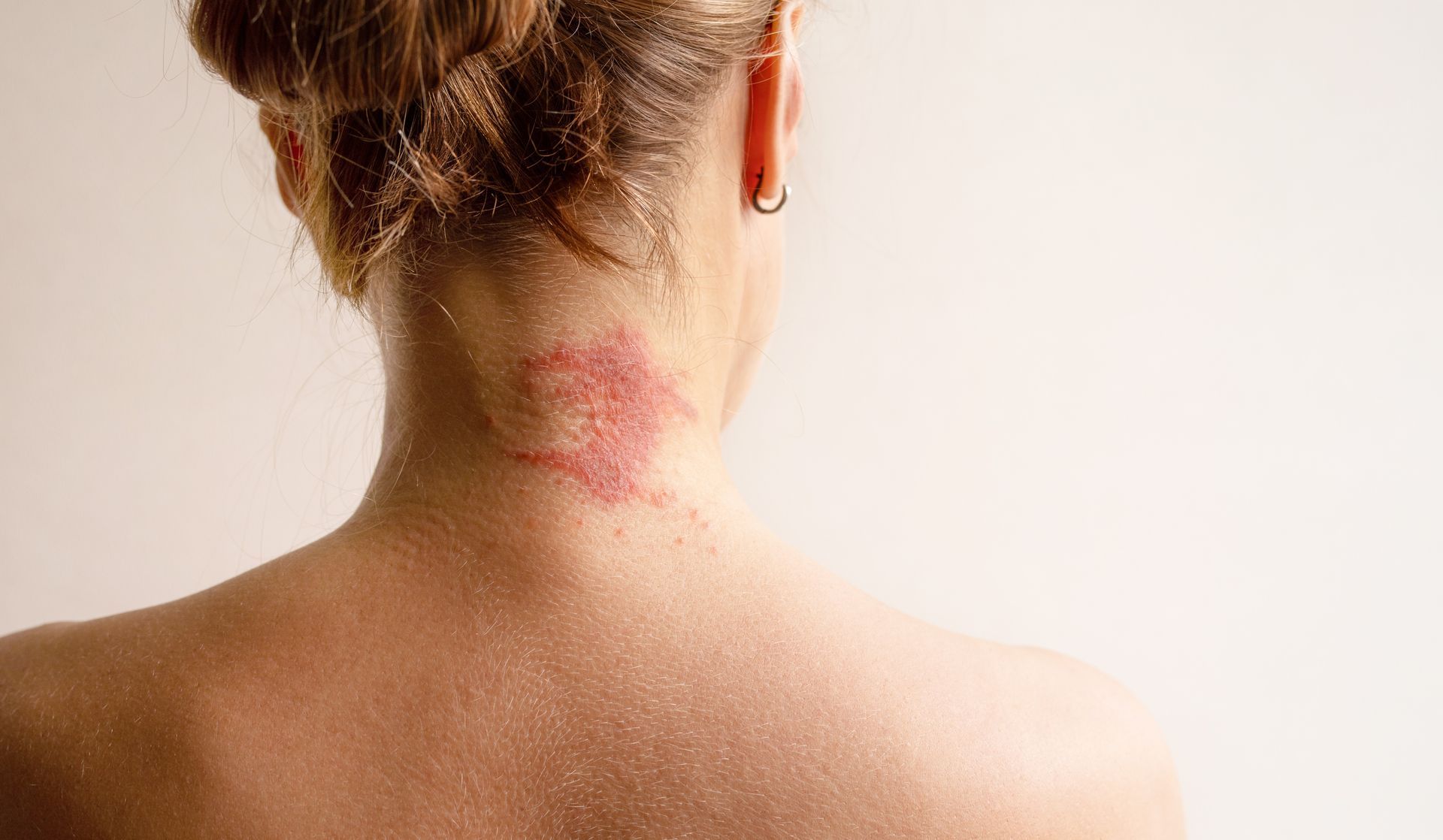
Dermatitis is a general term for inflamed, itchy, or irritated skin. Eczema, contact dermatitis, and seborrheic dermatitis are common forms. Warm, humid weather, pollen, and outdoor activity near the coast can add stress to sensitive skin. Habits matter even more for people with dermatitis.
Hot Showers and Long Baths
Very hot water may strip natural oils from the skin and make dryness worse. Many people enjoy a long, hot soak, but it can leave skin tight and itchy afterward.
Consider these gentler habits:
- Use lukewarm water instead of hot water.
- Keep showers and baths short.
- Pat the skin dry rather than rubbing it.
- Apply a fragrance-free moisturizer soon after bathing.
Why Timing Matters
Moisturizing while the skin is still slightly damp may help lock in water. Waiting too long can leave the skin dry again. A simple routine after every shower may reduce flare-ups for some people.
Harsh Soaps, Fragrances, and Cleaning Products
Strong cleansers and scented products are among the most common triggers for irritated skin. Many soaps, laundry detergents, and household cleaners contain ingredients that can bother sensitive skin.
Contact dermatitis often shows up on the hands, wrists, and face after skin touches an irritant or allergen. Families in Jacksonville who clean often, work outdoors, or handle equipment may notice this more.
Try these swaps:
- Choose mild, fragrance-free cleansers.
- Wear gloves when you wash dishes or use cleaning products.
- Rinse new clothes before wearing them.
- Pick a gentle, dye-free laundry detergent.
Scratching and Picking
Scratching may feel good for a moment, but it can damage the skin and keep the itch cycle going. Broken skin may also be more open to infection.
A few steps can help you resist the urge:
- Keep nails short and smooth.
- Cover itchy areas with soft clothing or a clean bandage.
- Apply a cool, damp cloth to the area for a few minutes.
- Ask your dermatologist about treatments that may calm the itch.
Children may scratch at night without noticing. Cotton mittens or soft sleepwear may help protect their skin.
Wearing the Wrong Fabrics
Rough or tight clothing can rub against the skin and trigger redness. Wool, stiff seams, and synthetic materials that trap heat may bother people with sensitive skin.
Soft, breathable cotton is often a comfortable choice. Loose-fitting clothes allow air to move and may reduce sweating. For dermatitis this can be especially helpful during the humid summer months.
Ignoring Sweat, Heat, and Humidity
Sweat can irritate skin that is already inflamed. Humid coastal weather may make it harder for the skin to stay cool and dry.
Consider these habits:
- Change out of sweaty clothes soon after exercise.
- Rinse off with lukewarm water after outdoor activity.
- Stay in the shade or in air conditioning during the hottest hours.
- Drink water throughout the day.
Skipping Moisturizer
Daily moisturizing is one of the simplest ways to support the skin barrier. Dry skin tends to crack, itch, and react more easily to triggers. Apply moisturizer at least once a day, and again after washing your hands.
Thick creams and ointments often hold moisture better than thin lotions. Look for products labeled fragrance-free. If you are unsure which moisturizer suits your skin, a dermatologist can suggest options.
Stopping Treatment Too Soon
Flare-ups can calm down and return, so stopping care as soon as the skin looks better may allow it to flare again. Following a treatment plan as directed is important.
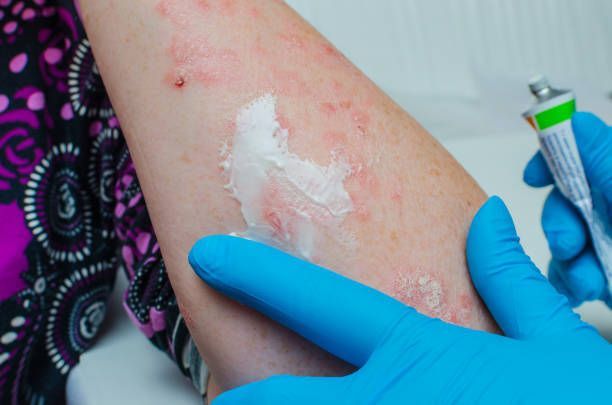
Prescription creams, trigger management, and regular skin care can work together. Talk with your provider before changing or stopping any medicine. Tell them if your symptoms are not improving or if the area looks infected, with oozing, increasing pain, or fever.
When Should You See a Dermatologist?
You should see a dermatologist when the condition keeps coming back, affects sleep, or does not improve with simple care. Early help may prevent bigger problems with dermatitis.
Signs it may be time to book a visit include:
- Itching that interrupts sleep or daily activities.
- Rashes that spread or return often.
- Cracked or weeping skin.
- Skin that does not respond to over-the-counter products.
A skin evaluation can help identify whether the cause is eczema, an allergic reaction, or another condition. You can read more about dermatitis treatment for Jacksonville patients to learn how care usually works.
Get Skin Care Help From a Team Serving Jacksonville, NC
Changing everyday habits may help, but persistent dermatitis in Jacksonville, NC, often needs professional care. East Carolina Dermatology and Skin Surgery, PLLC, is based at 600 McCarthy Blvd in New Bern, NC. The team serves patients from Jacksonville, NC, who need help with eczema, rashes, and other skin concerns.
Call (252) 633-4200 or request an appointment online to talk with a team that has served the region for more than 30 years.
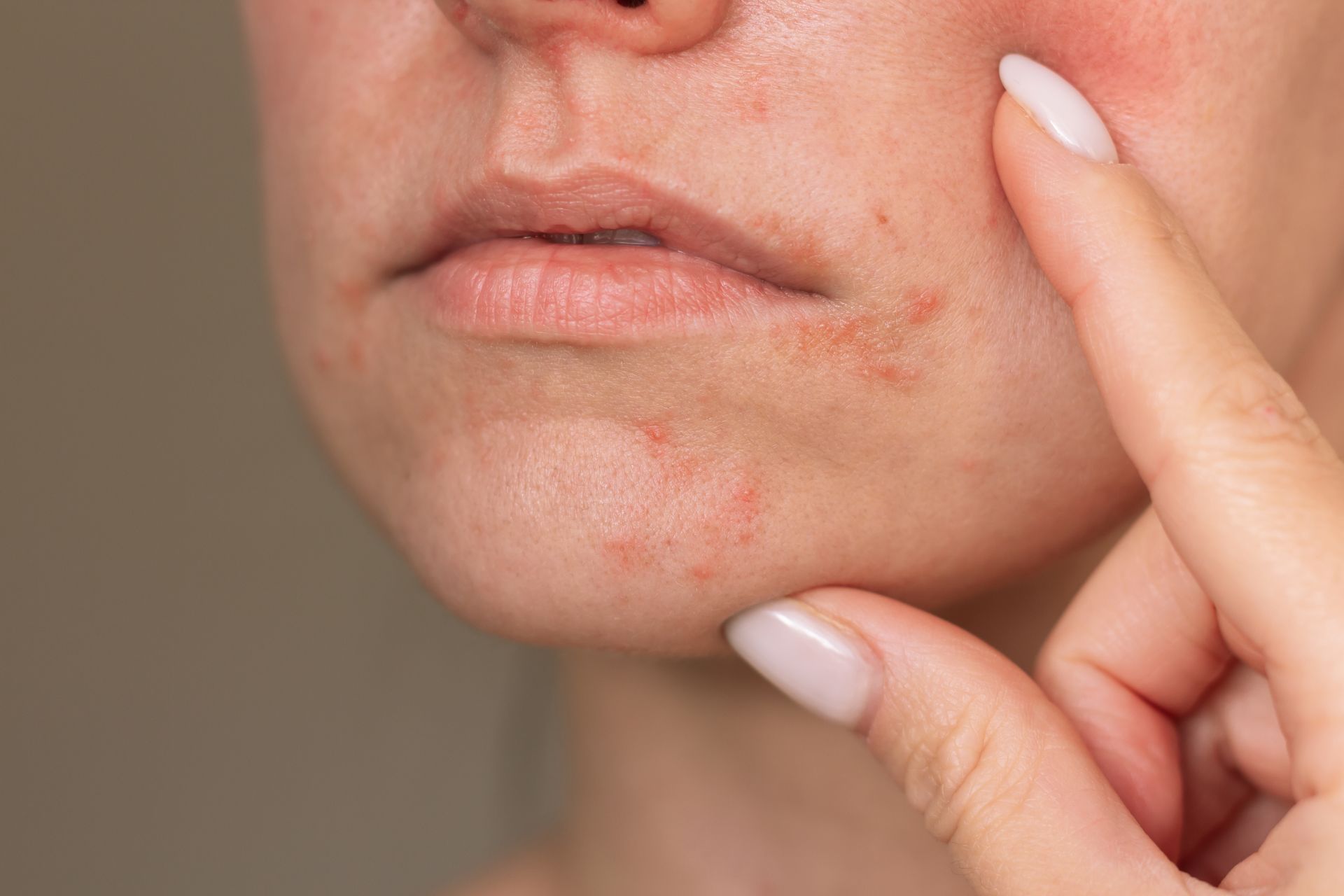
Dermatitis for Jacksonville, NC: Understanding Eczema, Contact Dermatitis, and Seborrheic Dermatitis